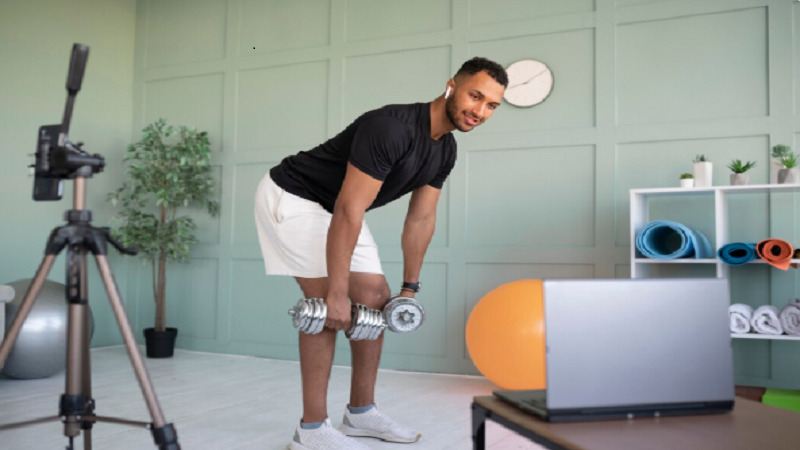
When you are typing such words as advice, thespoonathletic, you are probably in need of some actual, real-life guidance on how to better your performance in sports, fitness routines, or lifestyle discipline. Regardless of whether you are a beginner aiming to get fit or you are already active but you are having problems sticking to it, this guide will provide you with step-by-step, actionable tips that you can implement right now.
The article dwells on simple, realistic, and sustainable approaches as opposed to complex theories. We will divide it into easy parts to enable you to create a better, healthier, and even more athletic version of yourself.
What is “Advice Thespoonathletic”?
The search term advice thespoonathletic is a frame of purposeful athletic enhancement in miniature, repeated and realistic measures. Rather than drastic diets or impractical exercise plans, this method emphasizes:
Building daily discipline
Improving fitness gradually
Creating healthy habits
Maintaining long-term performance
Avoiding burnout or injury
Simply, it is about getting athletic cleverly and sustainably.
Step 1: Build a Clear Fitness Goal
You have to clarify your goal before embarking on any routine. The best workout plan will not work without direction.
Ask yourself:
Would I like to lose weight?
Would I like to build muscle?
Practical advice:
Write down your objective in a notebook/phone. For example:
I would like to be able to run 2 km without any breaks in 30 days.
I would like to lose 5 kg within 2 months.
Advising thespoonathletic gets a lot more effective with clear goals.
Step 2: Start with Basic Daily Movement
Among the top mistakes that beginners commit is doing too much at the beginning.
Start simple:
20–30 minutes walking daily
Light jogging 3-4 times/week.
Stretching for 10 minutes
Basic bodyweight exercises
Why this works:
It takes time to get used to your body. Intensity is not as crucial as building a base.
Step 3: Follow a Simple Workout Routine
A regular schedule must consist of:
- Strength Training (3–4 days/week)
Push-ups
Squats
Planks
Lunges
- Cardio (2–3 days/week)
Running
Cycling
Jump rope
- Flexibility (daily or alternate days)
Stretching
Yoga movements
Practical tip:
Do not make your workout too complex. The secret of long-term success in advice thespoonathletic is simplicity.
Step 4: Focus on Nutrition (Not Dieting)
The significance of nutrition can be greater than exercise.
Remember the following simple rules:
Consume greater amounts of protein (eggs, chicken, beans)
Consume a lot of water (2-3 liters per day)
Limit junk food and sugar.
Consume fruits and vegetables on a daily basis.
Avoid skipping meals
Simple plate method:
50% vegetables
25% protein
25% carbs
This will sustain energy and aid in athletic development.
Step 5: Build Consistency Over Motivation
The drive passes by. It is consistency that brings about actual outcomes.
Practical strategies:
Exercise daily, at the same time.
Record a fitness tracker or journal.
Set weekly goals
Begin with minor behaviors.
Example:
Instead of saying:
I will exercise every day.
Say:
I will practice 20 minutes every day regardless.
This is the attitude of advice thespoonathletic.
Step 6: Improve Recovery and Rest
Recovery is often overlooked by many people hence resulting in burnout and injuries.
Recovery tips:
Sleep 7-9 hours a night.
Have 1-2 days of rest.
Stretch after workouts
Stay hydrated
Avoid overtraining
Why recovery matters:
It is during rest that your muscles grow and repair, and not when you are exercising.
Step 7: Track Your Progress
It is because you are motivated and gain insight into progress by tracking.
What to track:
Weight changes
Workout performance
Running distance
Energy levels
Body measurements
Tools you can use:
Mobile fitness apps
Notebook journal
Simple calendar checkmarks
One of the most important aspects in advancing your advice thespoonathletic goals is tracking.
Step 8: Build Mental Strength
The athletic performance is not only physical, but mental as well.
Improving mindset:
Give small challenges daily.
Stay patient with the results
Do not draw yourself into comparison with others.
Work towards improvement, and not perfection.
Mental tip:
Talent cannot be kept up, and discipline will beat talent.
Step 9: Avoid Common Mistakes
Many beginners fail because of avoidable mistakes.
Common mistakes:
- Doing too much too fast
- Skipping warm-ups
- Following random workout trends
- Poor diet choices
- Lack of rest
Solution:
Stick to a simple and structured plan.
Step 10: Create a Long-Term Athletic Lifestyle
The goal of advice thespoonathletic is not short-term change—it is lifestyle transformation.
Long-term habits:
- Exercise regularly for years, not weeks
- Eat balanced meals daily
- Stay active even on rest days
- Continuously improve fitness goals
- Keep learning and adjusting routines
Fitness is not a project—it is a lifestyle.
Weekly Beginner Plan Example
Here is a simple weekly structure you can follow:
Monday:
- Strength training (full body)
Tuesday:
- Light cardio + stretching
Wednesday:
- Strength training
Thursday:
- Rest or walking
Friday:
- Cardio workout
Saturday:
- Strength training
Sunday:
- Rest + recovery
This plan is simple but highly effective for beginners.
Benefits of Following Advice Thespoonathletic
If you follow this system properly, you will experience:
- Better stamina and energy
- Improved body strength
- Weight control
- Stronger mental discipline
- Reduced stress
- Healthier lifestyle habits
The key is consistency.
Conclusion
The concept of advice thespoonathletic is not about extreme fitness routines or complicated training programs. It is about building a simple, structured, and consistent approach to health and athletic development.
FAQs – Advice Thespoonathletic
1. What does advice thespoonathletic mean?
It refers to practical fitness and athletic improvement advice focused on consistency, simple routines, and long-term health habits.
2. Can beginners follow this guide?
Yes, this guide is designed especially for beginners who want simple and effective steps.
3. How long does it take to see results?
Most people see noticeable changes within 3–6 weeks if they stay consistent.
4. Do I need gym equipment?
No, many exercises like push-ups, squats, and jogging can be done without equipment.
5. What is the most important part of thespoonathletic advice?
Consistency, proper nutrition, and recovery are the most important factors.
6. Can I lose weight using this method?
Yes, combining exercise with healthy eating will support effective weight loss.
See more: thespoonathletic.us